


Driver Blind Spot Awareness: What Every Driver Needs to Know
When I first started driving, I quickly realised that there’s more to safe driving than just looking straight ahead. One of the trickiest parts to master is understanding and managing your blind spots. These are areas around your vehicle that you simply cannot see through your mirrors or direct line of sight. Knowing how to spot and handle these blind spots can make a huge difference in your confidence and safety on the road.
Let’s dive into what driver blind spots are, why they matter, and how you can stay safe by being aware of them.
What Is Driver Blind Spot Awareness and Why Does It Matter?
Driver blind spot awareness is all about recognising the areas around your car that are hidden from your view. These spots can hide other vehicles, cyclists, or pedestrians, making them a common cause of accidents if you’re not careful.
Blind spots exist because of the design of your car and the position of your mirrors. Even with perfectly adjusted mirrors, there will always be some areas you can’t see. That’s why it’s so important to develop good habits to check these spots before changing lanes or merging.
For example, when you’re driving on a busy motorway, a car might be sitting just beside you, tucked away in your blind spot. If you don’t check properly, you could accidentally cut them off or cause a collision. Being aware of this helps you stay alert and avoid dangerous situations.
Here are some quick tips to improve your blind spot awareness:
Adjust your mirrors correctly to reduce blind spots as much as possible.
Always do a quick shoulder check before changing lanes.
Use your indicators early to signal your intentions.
Stay calm and patient, especially in heavy traffic.
How to Identify and Manage Your Blind Spots
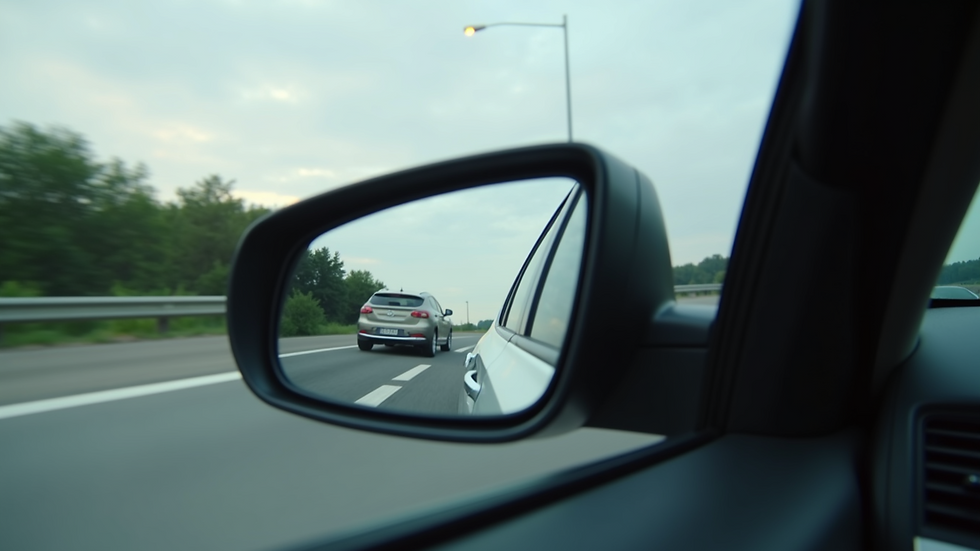
You might wonder, what does the term blind spot mean for a driver? Simply put, it’s the area around your vehicle that you cannot see using your mirrors or direct vision. To get a better handle on this, here’s how you can identify and manage your blind spots effectively.
Adjusting Your Mirrors
Most drivers don’t realise that their mirrors might not be set up correctly. Here’s a simple way to adjust them:
Sit in your normal driving position.
Lean your head to the left until it almost touches the window, then adjust your left mirror so you can just see the side of your car.
Lean your head to the right, centre it over the steering wheel, and adjust your right mirror similarly.
Your rearview mirror should show the entire rear window.
This setup helps reduce the blind spots on either side of your car. However, it doesn’t eliminate them completely, so you still need to check over your shoulder.
Shoulder Checks
Before you change lanes or merge, always do a quick shoulder check. This means turning your head to look over your shoulder in the direction you want to move. It might feel awkward at first, but it quickly becomes second nature.
Using Technology
Modern cars often come with blind spot monitoring systems. These use sensors to alert you if there’s a vehicle in your blind spot. While these are helpful, don’t rely on them entirely. They’re a great backup, but your own awareness is the best defence.

Is It Okay to Drive Next to Someone in Their Blindspot?
This is a question I get asked a lot. The short answer is: no, it’s not safe to drive in someone else’s blind spot. When you’re driving alongside another vehicle, especially a larger one like a lorry or bus, you want to avoid lingering in their blind spot.
Why? Because the driver might not see you when they decide to change lanes or turn. This can lead to dangerous situations or accidents.
How to Avoid Being in Someone’s Blind Spot
If you find yourself alongside a vehicle and can’t see their face in their side mirror, you’re probably in their blind spot.
Either slow down or speed up to move out of that area quickly.
Keep a safe distance and avoid staying beside large vehicles for long periods.
When overtaking, do so decisively and don’t linger beside the vehicle.
By being mindful of this, you’re not only protecting yourself but also helping other drivers stay safe.
Common Blind Spot Areas on Different Vehicles
Blind spots aren’t the same for every vehicle. Smaller cars have different blind spots compared to larger vehicles like vans, lorries, or SUVs. Knowing these differences can help you adjust your driving accordingly.
Cars
Blind spots are usually on the sides, just behind the rear doors.
The rear pillars can block your view when looking over your shoulder.
Vans and SUVs
Larger blind spots on the sides and rear.
Higher seating position helps, but the bigger size means bigger blind spots.
Often have blind spot monitoring systems, but still require shoulder checks.
Lorries and Buses
Huge blind spots on both sides and directly behind.
Drivers rely heavily on mirrors and sensors.
It’s best to avoid driving alongside these vehicles for long periods.
Understanding these differences helps you anticipate where other drivers might not see you and adjust your position on the road.
Practical Tips to Stay Safe and Confident on the Road
Being aware of blind spots is just the start. Here are some practical steps you can take to stay safe and build your confidence behind the wheel:
Practice shoulder checks regularly - Make it a habit every time you change lanes.
Use your mirrors effectively - Adjust them properly and glance at them often.
Signal early and clearly - Let other drivers know your intentions well in advance.
Keep a safe distance - Avoid tailgating and don’t stay in other vehicles’ blind spots.
Stay calm and patient - Don’t rush lane changes or overtaking.
Consider professional lessons - A driving instructor can help you master blind spot checks and other essential skills.
Remember, driving is a skill that improves with practice and awareness. The more you focus on these details, the safer and more confident you’ll feel.
I hope this guide has helped you understand the importance of driver blind spot awareness. It’s a simple but powerful way to protect yourself and others on the road. Next time you’re behind the wheel, take a moment to check those blind spots carefully. Your safety depends on it!

